
Retail
Top Trends Reshaping Retail Real Estate in 2026: What to Expect
September 05, 2024
Retail real estate in India is reshaping around omnichannel retail, experiential formats, sustainability, smart technology, flexible spaces and community-focused design. With record leasing of about 8.9 million sq ft in 2025 and Grade A mall vacancy at its lowest since 2010 in H1 2026, demand for well-designed, future-ready retail space continues to outpace new supply.
With the world adopting enhanced technologies, shifting consumer behaviour and a major focus on sustainability, the retail real estate sector is undergoing a wide transformation. The scale of this shift shows in the numbers. India recorded a record ~8.9 million sq ft of retail leasing in 2025, and Grade A mall vacancy fell to 6.7% in H1 2026, its lowest level since 2010. Retailers and real estate developers are re-evaluating their strategies to develop technologically supportive, more engaging and sustainable shopping environments. This shift stems from the need to remain competitive and meet modern customers' expectations for convenience, personalisation and memorable experiences. Here are the top retail real estate trends for 2026 that industry stakeholders should expect.
The Rise of Omnichannel Retail
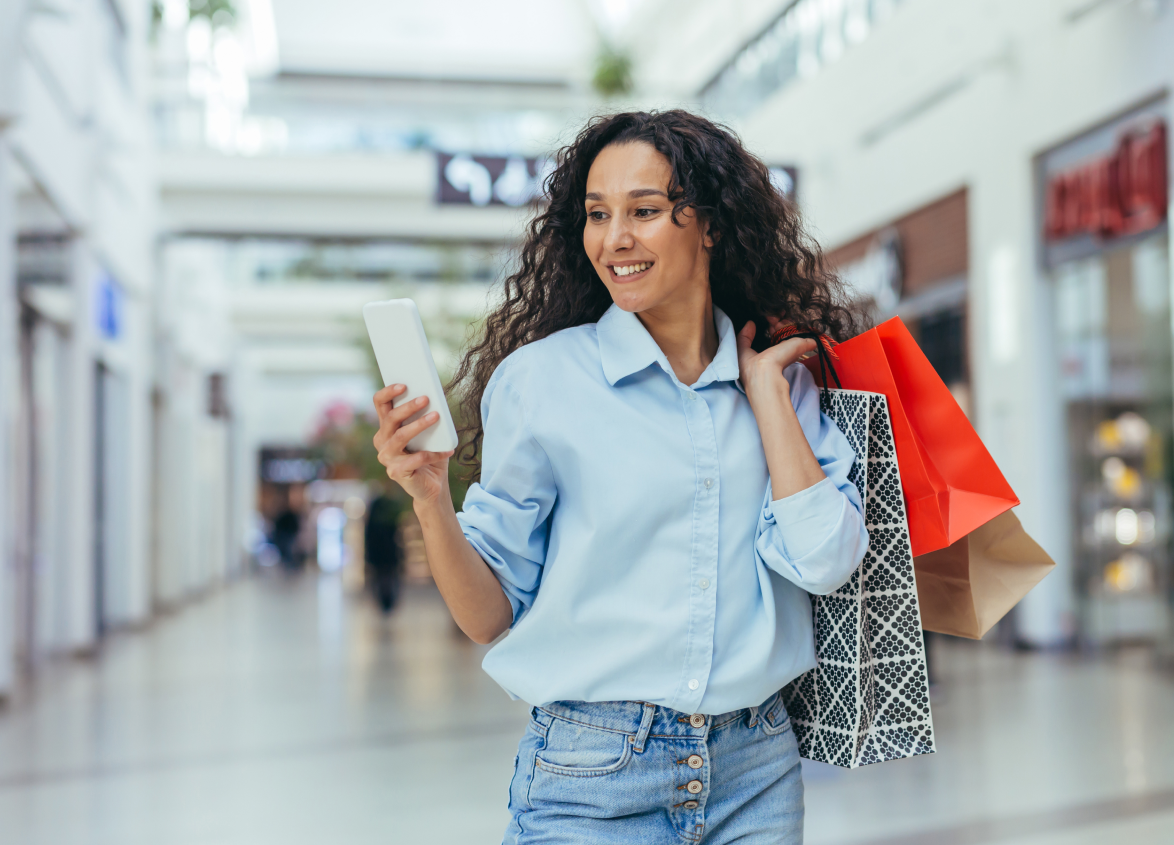
Omnichannel retail is a fundamental option for retailers wishing to provide seamless shopping experiences across different platforms like virtual stores, brick-and-mortar retail shops and mobile apps. In 2026, the integration of the channels has become easier and more sophisticated, with retail store owners using data analytics to better understand customer behaviour and preferences, offer customised marketing and better manage inventory. Digital payments underpin this shift. UPI processed a record 24.51 billion transactions in August 2026, making instant, cashless checkout the norm across online and in-store channels.
Developers increasingly design retail spaces to aid omnichannel approaches. Retailers equip stores with high-end technologies such as interactive and informative kiosks, self-checkouts and enhanced visual displays to reduce the gap between real and digital shopping. Click-and-collect services, where consumers purchase products online and pick them up from retail stores, have gained popularity, driving foot traffic to physical stores.
Experiential Retail: Creating Unique Customer Experiences
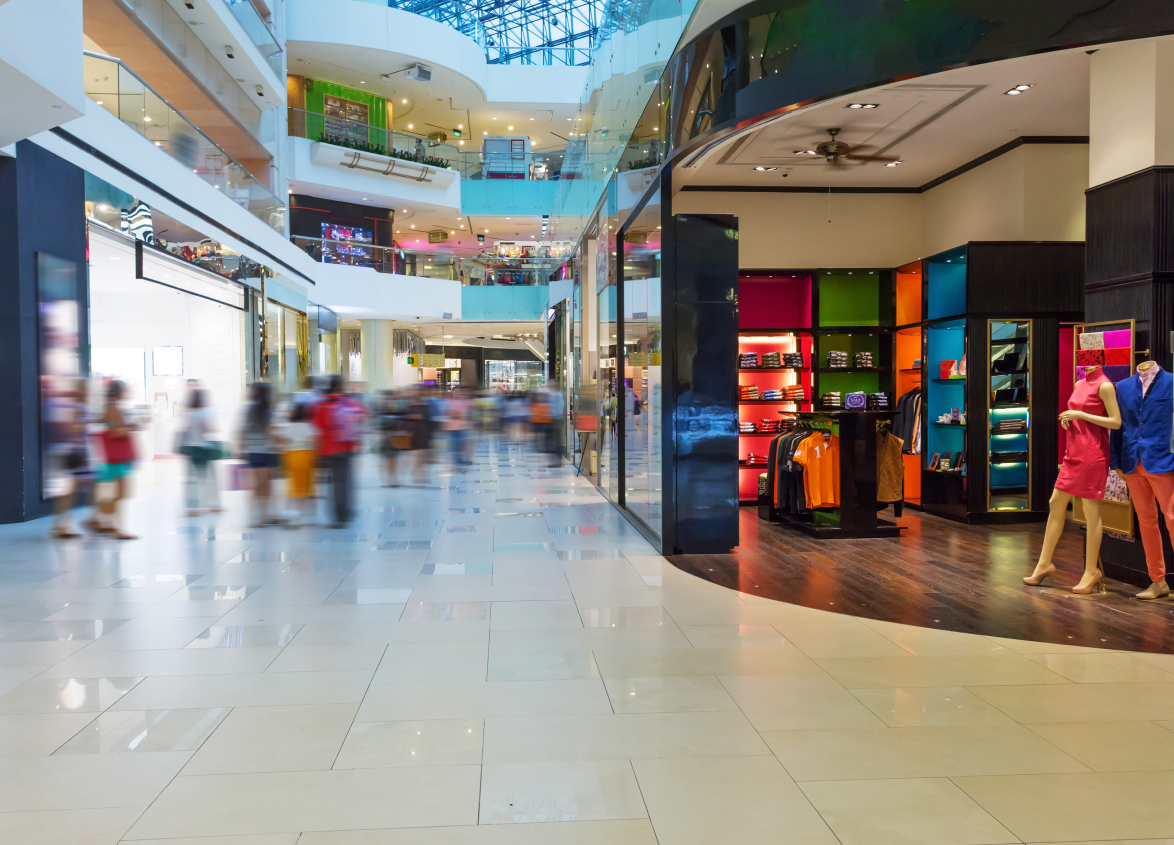
In an era where consumers can purchase anything online, physical retail stores are continuously trying to upgrade themselves by offering more than just products and services; they provide experiences. Experiential retail is all about providing memorable experiences to customers to develop brand loyalty and promote social sharing. Leasing data reflects this shift. Food and beverage (~14%) and entertainment (~9%) together accounted for roughly 23% of India's retail space take-up in H1 2026, as retailers prioritised experiential formats.
Stores are changing into spaces with immersive experiences such as VR installations, themed environments and interactive demonstrations of products. Retailers jointly work with designers and artists to develop visually appealing spaces to promote higher exploration and Instagram-worthy images. By providing customised experiences, workshops and events, brands can establish deeper customer connections and motivate repeat visits.
Sustainability and Green Building Practices
Sustainability has become a necessity in the real estate sector. Customers are becoming highly conscious about the environmental effect of their purchase, pushing real estate developers and real estate investors to move towards sustainable practices. In 2026, green building practices and environmentally friendly designs have topped the retail development world.
The real estate industry is adopting sustainable materials, waste-reduction approaches and energy-efficient systems to reduce its carbon footprint. Green roofs, rainwater harvesting and solar panels have become the new standard amenities of retail real estate. Retailers also focus on supply chain sustainability to ensure products are supplied transparently.
Technology Integration in Retail Spaces
Technology is transforming the retail sector, providing inventive solutions that boost comfort and engagement. In 2026, technology integration is a major retail real estate trend shaping the retail real estate sector, as retailers choose innovative tools to optimise operations and boost customer interactions.
Retail spaces are getting smarter every day through the use of Internet of Things gadgets, AI and ML. These advanced technologies allow customised shopping experiences by assessing consumer data to offer personalised recommendations and promotions. In-store navigation applications guide consumers to shop for desired products, while AI-assistant chatbots offer instant help. In India, retailers now use AI for hyper-personalised styling and virtual try-ons, while entertainment zones feature VR and gamified RFID-based loyalty programmes.
Flexible and Adaptive Retail Spaces
The retail sector is consistently growing and needs spaces that can easily adapt to consumers' and market conditions' changing demands. In 2026, adaptive and flexible retail spaces continue to gain importance as retailers look forward to streamlining their real estate investments.
Modular store designs support simple reconfiguration, allowing retailers to flexibly change layouts and displays without extensive renovation. Temporary and pop-up stores offer brands a chance to test new markets and concepts without any major commitments.
Retailers also choose mixed-use developments that combine retail, entertainment and residential spaces to create dynamic areas that attract a broader range of audiences. By offering a perfect blend of facilities and services, these developments offer a higher sense of satisfaction and belonging, adding to the overall shopping experience.
E-commerce and Its Impact on Physical Retail
E-commerce is still making efforts to reshape the physical retail store world, impacting customers' expectations and driving changes in the sector. In 2026, the relationship between brick-and-mortar and e-commerce stores is symbiotic, with both working to complement one another.
Retail physical stores are becoming experiential destinations where customers can interact with experts while buying products and getting customised assistance. E-commerce platforms are also using physical locations for order fulfilment and returns, offering better convenience to customers.
While e-commerce provides extensive comfort, physical stores offer tactile experiences and instant gratification that online stores cannot copy. Successful retailers are those who are able to mix the strengths of both channels to develop a cohesive and satisfying customer journey.
Health and Wellness in Retail Environments
The focus on health and wellness impacts the retail real estate markets, as customers prioritise their well-being and seek an environment that assists a healthy lifestyle. As one of the trends in retail real estate, retailers are using wellness elements in their space to meet this rising demand.
Retailers are developing stores with more greenery, natural lighting and ergonomic layouts that add to comfort and relaxation. Brands are also offering wellness products and services such as organic food options, fitness regime classes and wellness consultancy.
Localism and Community-Centric Retail
Localism and community-centric retail have increased, with customers looking for genuine and meaningful experiences. As one of the commercial real estate retail trends, retailers are concentrating on developing connections with local communities and aiding regional businesses.
Community-centric retail spaces emphasise accessibility and inclusivity, ensuring that all feel valued and welcomed. By working with local communities, retailers can build trust and create lasting memories that resonate with consumers personally.
Conclusion
As we move through 2026, retailers and real estate investors should adapt to these trends to stay relevant and competitive in the ever-growing market. By prioritising omnichannel approaches, experiential retail, technology integration, sustainability, flexibility and health and wellness, stakeholders can develop successful and effective retail environments that meet the requirements of modern customers. With Grade A mall leasing outpacing new supply by 4.5 times in H1 2026, access to quality retail space has become a key consideration for growing brands. With these trends consistently shaping the industry, retail real estate will become more creative, customer-centric and sustainable, offering better opportunities for development and growth.
FAQs
1. What are the top retail real estate trends in 2026?
Key trends include omnichannel retail, experiential formats, sustainability, smart technology, flexible spaces, wellness-led design and community-centric retail.
2. How much retail space was leased in India in H1 2026?
CBRE reports around 3.9 million sq ft of retail leasing in H1 2026, up 20% from H1 2025, led by fashion, F&B and entertainment.
3. Why is experiential retail growing in India?
Shoppers want more than transactions. F&B and entertainment made up about 23% of retail leasing in H1 2026 as retailers favoured experiential formats.
4. Is e-commerce replacing physical retail?
No. The two channels increasingly complement each other, with stores supporting click-and-collect, returns and hands-on experiences that online platforms cannot offer.
5. Why do green buildings matter for retail real estate?
Green-certified buildings reduce energy and water use, lower operating costs and meet growing demand from consumers and brands for sustainable spaces.
MUST READ

Looking for something specific?
We'd be delighted to help you.
