
Retail
Retail Real Estate: Navigating the Dynamic World of Shopping Spaces
September 21, 2026
Retail real estate represents a major part of the commercial property market. To be able to understand this ever-growing sector requires an equal and in-depth understanding of market demands, how to use inventive space utilisation tactics, and how to leverage digital integrations to create profitable shopping spaces. The Brigade Group, through properties like Orion Malls, has pioneered experiential retail environments, changing how consumers interact with retail spaces.
What is Retail Real Estate?
Retail real estate focuses on selling consumer products and services. This segment has recently enjoyed significant growth and innovation after the pandemic. To stay competitive, businesses have adapted to the new consumer behaviour and preferences that emerged in the recent years.
Meanwhile, the retail sector itself has undergone significant transformation, fueled by technological advancements, changing consumer behaviors and economic shifts. This presents challenges and opportunities for retailers, investors and developers alike.
Types of Retail Spaces in India
Standalone Stores
Standalone stores are single-unit retail outlets which are found in high-traffic areas. They are a common format for apparel stores, electronics showrooms and restaurants. They offer retailers a high degree of control and flexibility. Retailers like Westside and Birkenstock exemplify this format.
High Street Shops
High street stores are located on prime commercial streets and cater to a diverse clientele. High street fashion, footwear and accessories stores benefit from high foot traffic and brand visibility. Brands like Van Heusen, Raymond and Brooks Brothers thrive in these formats, targeting professionals seeking formal wear.
Shopping Complexes
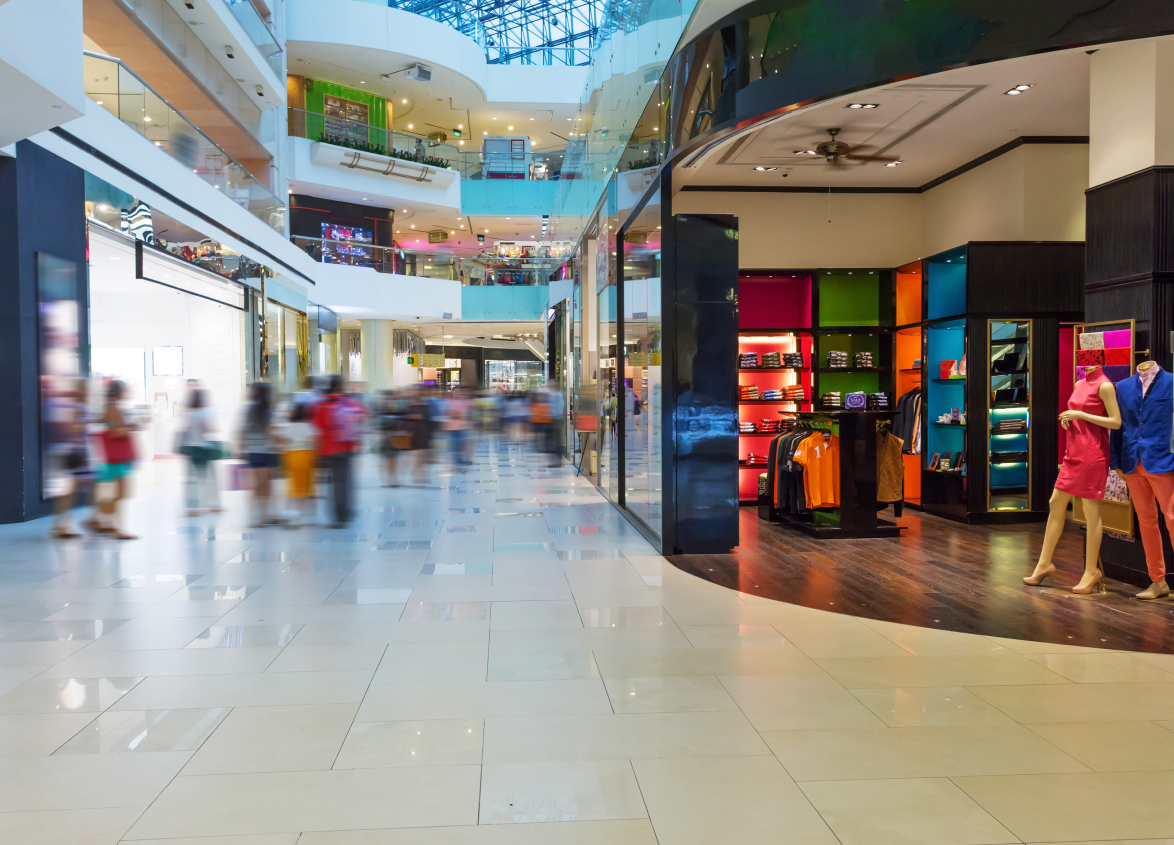
Shopping complexes are multi-storeyed buildings with various retail stores within. Sometimes, they also have food courts and entertainment zones. Brigade's Orion Malls exemplify modern shopping complexes, featuring premium anchor stores, diverse specialty retailers and integrated dining and entertainment options. These complexes provide a comprehensive shopping experience for customers.
Neighbourhood Shopping Centres
Neighbourhood shopping centres are smaller shopping complexes located in residential areas to cater to the daily needs of the local community. They typically feature grocery stores, pharmacies and other essential retailers. They serve the local communities efficiently, bringing convenience to their neighbourhoods.
Large-Format Stores
Large-format retail spaces offer diverse product ranges. Orion Malls features specialty anchors like Decathlon for sports, Homecentre for home décor and Reliance Digital for electronics, providing curated shopping solutions for every consumer.
Malls
Malls are enclosed shopping centres. They have anchor stores, specialty shops and entertainment options as well. They are popular for family outings and shopping experiences, creating a vibrant and engaging retail environment. Orion Malls' diverse tenant portfolio spans fashion (Uniqlo, the largest in South India, Mango, Only and Westside), jewellery (Swarovski, CaratLane and Kushals), beauty (MAC, Sephora and Revlon) and luxury brands (Tommy Hilfiger, GANT and Lacoste).
Lifestyle Centres
Lifestyle shopping destinations focus on fashion, dining and entertainment with a more upscale ambiance. They target affluent consumers who are seeking a leisurely shopping experience. Orion Malls' "By the Lake" concept exemplifies this format, combining premium retail with fine dining venues.
Pop-up Stores
These are temporary retail spaces that are used for limited-time promotions or for testing new products. Orion Malls features rotating pop-up concepts including Dyson (premium hair care), Heads Up for Tails (pet products), Michael Kors (luxury bags) and makeup brands like Colorbar and Revlon.
Key Factors Influencing Retail Real Estate
Location
Properties should be located in places with high foot traffic. Proximity to public transportation and easy parking is an added bonus to customer convenience. It also helps to be situated among similar businesses, as this creates a clustered environment that attracts more visitors. Orion Malls' strategic positioning across multiple locations exemplifies this principle. Each property is a careful consideration of demographic factors, competition and long-term growth prospects proves vital when selecting a retail location.
Size
The optimal size of the store depends on factors such as product assortment, target customer demographics and operational needs. Sufficient space ensures efficient inventory management. Customers can comfortably browse the product displays. An efficient store layout optimises customer flow and creates a positive shopping experience.
Visibility
Another important factor is foot traffic. Properties that can accommodate a large volume of pedestrian traffic can potentially have a larger customer base. High visibility ensures your store gets quickly noticed by passers-by. Understanding the target demographic and their shopping habits is crucial for selecting a location.
Condition
The property itself should be in good condition. A comprehensive inspection is a must, as it helps to evaluate the property’s structural integrity. Check plumbing and HVAC systems to prevent unforeseen maintenance expenses. Professional evaluation offers precise assessment of these major aspects.
Zoning
The zoning rules require proper review to ensure the property is suitable for retail use and adheres to all legal requirements. Understanding local ordinances prevents future legal disruptions and operational issues.
Lease Terms
Considering all financial aspects, the retail leases and tenant responsibilities must be within a set budget. The lease terms must include rental rates, property taxes, insurance, maintenance and lease duration. Provisions like renewal opportunities and rent escalations must be reviewed carefully.
Surroundings
The surrounding market should be properly evaluated, including current competition and customer demographics. Assessing local market trends proves essential for tailoring offerings to meet specific customer needs.
Current Trends in Retail Real Estate in India
Experience-Centric Retail
Retailers must focus on creating an immersive environment that offers entertainment, dining and leisure options, not just stores to go shopping in. Digital innovations like augmented reality, virtual reality and interactive displays enhance customer experience. Orion Malls exemplifies this trend through integrated options like Hamleys for toys, PVR Gold 4DX for cinema, Timezone for arcade gaming. Orion’s diverse dining concepts range from casual (Churmur and YouMee) to fine dining (Bombay Brasserie and Toscano).
Tier II and III Cities Gaining Traction
Rising disposable incomes and growing middle class in smaller cities drive demand for retail spaces. Retailers customise offerings to suit regional consumer preferences. Orion Malls' expansion into emerging markets reflects this trend, bringing premium retail experiences to growing cities.
Omnichannel Retail
Retailers today have to integrate physical and digital channels to be able to provide a seamless customer experience. Click-and-collect and ship-from-store services have become popular. Brands like Bewakoof and Uniqlo at Orion Malls leverage omnichannel strategies effectively.
Focus on Sustainability
Green buildings and eco-friendly practices gain importance. Energy efficiency and waste reduction initiatives are being adopted by retailers. Modern retail developments prioritise LEED certifications and sustainable design principles.
Flexible Space Solutions
Short-term leases and pop-up stores allow retailers to test new concepts. It also helps them adapt to the changing market conditions. Orion Malls' support for emerging brands and temporary concepts demonstrates this flexibility with shared spaces to cater to startups and small businesses.
Data-Driven Decision Making
Retailers use analytics to understand consumer behavior and optimize store layouts, product placement and marketing strategies. Advanced data collection informs tenant mix and customer experience enhancements.
Challenges in Retail Real Estate
Economic Aspects
After the pandemic, shortages in labour and economic inflation have impacted the commercial property real estate market. Further, the geopolitical instability in the past few years also created an unpredictable economic environment. The high financing costs and stricter lending rules complicate capital acquisition for new projects.
E-Commerce Impact
The growth of E-commerce brings both problems and opportunities. While online platforms are thriving, traditional retailers have to keep innovating. The expansion of e-commerce increases demand for strategically located distribution centres. Retailers like Chaayos, Third Wave Coffee and SMOOR have integrated online-to-offline models successfully within physical retail environments.
Shift in Consumer Trends
Retailers need to be cognizant of the newest trends and shifts in the market. For example, wellness experiences is an emerging concept within consumers. Such changing purchasing habits impacts the customer’s spending patterns, which leads to unpredictable performance.
Property-Specific Challenges
Rising vacancy rates and decelerated rent growth in some areas contrast with restricted availability in prime retail zones. Retailers are reducing physical footprints to lower overhead costs, preferring high-quality smaller spaces.
Investment in Retail Real Estate
Retail real estate is lucrative because of it provides stable rental income. The sector attracts long-term tenants, offering steady income flow for investors. Economic development, enhanced consumer spending and urban development benefit the retail sector.
Investors must also consider factors like e-commerce's impact. They need to evaluate tenant quality and market demand too. Areas with high foot traffic and strong demographics can provide higher returns and reduce vacancy rates. With thorough market research, effective property management and an understanding of retail trends, investors can succeed.
Future of Retail Real Estate
The retail sector has witnessed significant changes prompted by e-commerce growth and changing customer preferences. Conventional in-store shopping has evolved into integrated omnichannel experiences providing consumers convenience and choice.
Retail real estate must focus on developing distinctive and engaging shopping experiences that attract consumers. Retailtainment concepts—where shopping spaces house dining, entertainment and leisure amenities—continue growing. Orion Malls' "By the Lake" dining destinations featuring Bombay Brasserie, Toscano and Paul Bakery, combined with premium retail experiences and world-class entertainment, exemplify this evolution.
With evolving consumer preferences and behaviors, retail real estate must adapt to remain profitable and relevant. Brands across categories—from Starbucks and Haagen Dazs for F&B, to Victoria's Secret and Calvin Klein for apparel, to Fossil and Tommy Hilfiger for premium accessories—thrive within well-designed retail environments. Despite challenges, retail real estate investment offers appealing returns to investors who carefully assess properties and adhere to changing market trends.
Conclusion
Retail real estate is a dynamic asset segment with both risks and high returns. Consumer and investor confidence in retail properties will continue to grow as the sector adapts to omnichannel retail, experiential shopping and sustainable practices. Understanding market trends, evaluating locations strategically and partnering with experienced developers remain keys to successful retail real estate investments.
FAQs
1. What is retail real estate?
Retail real estate are properties used by businesses to sell products and services. They can be standalone stores, shopping malls or shopping centres.
2. Why is location important in retail real estate?
Location impacts foot traffic, visibility and customer accessibility. Prime locations boost sales, attract diverse demographics and enhance brand presence, making location critical for a store's success.
3. How has e-commerce affected retail real estate?
With e-commerce, preferences shifted to digital shopping. Retail spaces are now transforming into experiential centres to cater to a wider consumer base.
4. What are lifestyle centres in retail real estate?
Lifestyle centres are open-air shopping complexes combining retail, dining and entertainment. They cater to consumers seeking leisure experiences and upscale stores and unique architectural designs.
5. What should investors consider before investing in retail real estate?
Evaluate location, tenant mix, market trends and economic conditions. Understanding consumer behavior shifts and e-commerce impact proves crucial for informed retail real estate investment decisions.
MUST READ

Looking for something specific?
We'd be delighted to help you.
