
Commercial
Why Office Design Matters for Attracting and Retaining Top Talent
September 19, 2024
As India's business districts absorb a new wave of GCCs (Global Capability Centres), technology firms and multinational enterprises, competition for skilled professionals has intensified, and compensation alone is no longer enough to secure or keep the best people. Hybrid working has raised the bar further. Organisations now need workplaces that employees actively choose to return to rather than simply tolerate. In this landscape, office design has moved from a facilities consideration to a strategic lever for talent, influencing how prospective hires perceive an organisation, how existing teams collaborate and how long they stay.
The Importance of Good Office Design
The significance of an excellent office design cannot be underestimated. An excellent workplace promotes efficiency and productivity, and in the best way possible, when such places are not only beautiful but also promote collaboration, creativity, and concentration. Individuals can easily work in places that are ergonomically and aesthetically designed, especially if the design fits the task at hand.
Well-designed seating, adequate lighting, and ergonomic placement, among other things, reduce physical stress, and ensure constant productivity throughout the working hours of individuals. Good planning of the design of an office space also facilitates better team work because it makes it easy for individuals to switch from working individually to collectively without any problems.
The Impact of Office Design on Attracting Talent
For potential recruits, the office is one of the most concrete manifestations of the organizational values. When every aspect of the work environment is taken into account and the decision was carefully thought through, they feel that the organization values its employees. This matters particularly for senior professionals who consider outdated or untidy office space a manifestation of low level of commitment to the needs of their employees. The top talent seeks for ample daylight and well equipped conference/meeting room facilities.
Generation expectations make it clear why there is such a significant change in office space design. Millennials and Generation Z are more used to collaborative spaces and will be more attracted to the organization offering open and flexible environment rather than one built on segregated cubicles. In addition to that, these two generations value environmental consciousness and sustainability as integral part of work-life balance.
Office Design and Employee Retention
As essential as the attraction of talent is, so too is the retention of talent, especially when you consider the amount of investment made into each new member of the team. Bad office design will slowly but surely lead to dissatisfaction, through the use of poor lighting, uncomfortable chairs and an untidy environment, leading to stress and eventual burnout. However, good office design will encourage comfort, adaptability and productivity, all factors that ensure that a company keeps its workforce. Examples of these include quiet rooms, communal areas and wellness rooms.
With the evolution of remote and hybrid working impacting the traditional working week, companies who are able to adapt their offices to reflect these changes will be better equipped to reenergise their teams.
How Office Layout Shapes Company Culture
The spatial structure of an office has a profound influence on organisational culture. The cubicle model limited interaction and restricted the flow of light and space. It has given way to layouts that strike a considered balance between professionalism and a more relaxed, social atmosphere. Many of the world's major organisations are moving away from a culture of individual workspaces towards a more collective model, one that strengthens team cohesion and improves efficiency by distributing work according to specialisation.
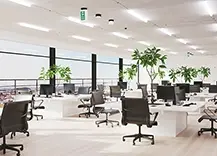
Wide open spaces, common gathering rooms and the removal of partitions between departments encourage the everyday encounters from which a shared culture grows. A cohesive environment balances this openness with quiet areas where people can recharge. These factors often go unnoticed day to day, yet they play an important role in shaping job satisfaction and a sense of belonging.
Key Elements of Modern Office Design
Open and Flexible Spaces
Enclosed four-walled offices and rigid cubicles are giving way to workplace architecture that prioritises modularity, a choice of work settings and openness. This increases flexibility, encourages creativity and supports cooperative working.
Natural Lighting
Access to daylight is among the most valued qualities of any workplace. Research from Northwestern University has found that employees with little access to windows and natural light experience poorer sleep, which in turn affects their productivity. Exposure to daylight helps regulate the circadian rhythm, the body's internal clock, and is associated with improved mood and reduced stress. It also reduces reliance on artificial lighting and the energy it consumes.
Ergonomic Furniture
Supportive, ergonomic seating is fundamental to any well-designed office. The correct arrangement of chairs, standing desks and computer equipment reduces the risk of strain and enhances comfort throughout the working day.
Biophilic Design
Integrating elements of nature such as plants, water features and natural materials into the office brings meaningful benefits for employee wellbeing. A study published in the Journal of Experimental Psychology found that introducing plants into the workplace can increase productivity by as much as 15%. The researchers linked this to better perceived air quality, which in turn improves concentration and workplace satisfaction. Biophilic features are also associated with lower stress and greater overall happiness.
Colour Psychology
Many offices default to monochrome and white interiors, which look clean but can feel flat and uninspiring over long working hours. A considered colour scheme aligned with the organisation's identity can lift spirits and support overall wellbeing. Colour psychology associates red and orange with energy and liveliness and yellow with cheerfulness, while blue, green and pastel shades are linked with calm. These associations can be applied zone by zone to suit the activity each space supports.
Technology Integration
Leading talent expects state-of-the-art meeting facilities equipped with the latest technology, from video conferencing and digital boards to intelligent lighting systems.
Sustainability
Efficient lighting, eco-friendly construction materials, recycled furnishings, energy-saving equipment and effective waste management increasingly shape how an organisation is perceived. Together they signal that it is forward-thinking and aligned with the values of a new generation of professionals.
Latest Office Design Trends
Workplace design continues to evolve, and many companies are either relocating to new premises or refreshing their existing ones. Incorporating current trends helps organisations offer a stronger workplace today while limiting the need for extensive upgrades in future. The following trends are shaping workspace design.
Remote and Hybrid-Friendly Spaces
More organisations have adopted hybrid arrangements since the pandemic, so offices must now support both in-person and remote collaboration. This includes meeting rooms equipped for video conferencing, hot-desking and a variety of flexible work settings.
Wellness-Centric Designs
Integrating health-promoting features into the workplace has become a central design objective. These range from peaceful zones and sit-stand desks to meditation rooms and dedicated spaces for exercise.
Collaborative Workstations
Businesses are creating more welcoming shared spaces, and lounges, breakout areas and multipurpose rooms are becoming defining features of contemporary office design.
Employee-Led Design
Rather than applying a single template, forward-looking organisations are involving employees in shaping their workspaces. They study how teams prefer to work and design environments tailored to both the business and the people within it. This participatory approach can build a sense of ownership that reinforces culture and retention alike.
Conclusion
Office design has a significant influence on an organisation's ability to attract and retain the best people, shaping employee satisfaction, health and performance. Flexible workspaces, ergonomic furniture, natural light, biophilic elements, considered colour and sustainable materials are no longer optional additions. They are essential parts of a competitive employee value proposition.
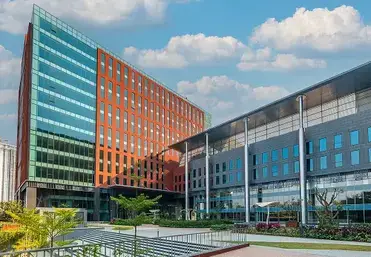
As the world of work continues to change, the workplace has become more than a reflection of an organisation's values. It is a valuable asset for sustaining morale and wellbeing. Brigade Group has long recognised this, developing Grade A offices across Bengaluru, Chennai, Hyderabad, Kochi and GIFT City that combine open spaces, natural materials and technology suited to today's organisations. That approach reflects Brigade's belief that the right workplace is one of the most enduring investments an organisation can make in its people.
FAQs
1. What is the importance of good office design?
Good office design creates a healthy environment that directly influences employee performance, motivation and loyalty to the organisation, while also fostering teamwork and creativity.
2. How does office design affect employee retention?
Well-designed offices make work more comfortable and satisfying, which helps organisations reduce turnover and retain their best people.
3. What are the key elements of modern office design?
The key elements include open and flexible spaces, abundant natural light, ergonomic furniture, biophilic design, a considered colour scheme, integrated technology and sustainable materials.
4. How can office design support a hybrid work model?
Combining flexible workstations and meeting areas with advanced video conferencing and collaboration technology allows offices to support remote and in-office employees seamlessly.
5. How can office layout shape company culture?
Open spaces, common gathering areas and fewer partitions between departments encourage interaction and collaboration. Quiet zones balance this openness and give people room to focus and recharge, and together these elements build a cohesive culture.
6. Do plants and colour really affect employee productivity?
Research published in the Journal of Experimental Psychology found that plants can raise workplace productivity by up to 15% through better perceived air quality. A considered colour scheme can also help set the right mood for different types of work.
Looking for Grade A Commercial Spaces Built for Long-Term Value?
Lease or invest in future-ready developments across Bengaluru, Chennai, Hyderabad, Kochi & GIFT City.
- Grade A commercial developments
- Prime business & IT hub locations
- Lease & investment opportunities
MUST READ




Looking for something specific?
We'd be delighted to help you.
