Residential
Wellness-Focused Homes: Redefining Healthy Living Spaces
August 21, 2025
Wellness-focused homes are designed to support healthier everyday living through better air and water quality, natural light, sustainable materials, smart technology, fitness spaces and biophilic design. These homes aim to improve physical comfort, mental well-being and long-term quality of life while also responding to growing demand for healthier, more sustainable residential environments.
In an era where urban living often equates to a fast-paced, high-stress lifestyle, an increasing number of people are seeking ways to enhance their well-being. The concept of wellness-focused homes is gaining significant traction, as they offer not just a roof over one's head, but a sanctuary designed to enhance health, comfort and overall well-being. These homes integrate features that promote both physical and mental wellness, from air purification systems to mindfulness spaces. For homebuyers and investors alike, understanding the potential and benefits of wellness-focused homes can lead to better, healthier living environments and lucrative investment opportunities. As the global focus shifts towards sustainability, personal health and eco-conscious living, wellness homes present a fresh paradigm for modern residential design. They provide residents with a lifestyle that integrates fitness, mindfulness, sustainable living and advanced technology, ushering in a new era of living spaces that promote healthier lifestyles. In this blog, we will explore the key features, benefits, challenges and design considerations of wellness-focused homes.
What Are Wellness-Focused Homes?
A wellness home is a type of residential development project that is designed with the well-being of its occupants in mind. The idea is to develop an environment that will promote the physical, psychological and emotional well-being of the occupants residing in these homes. There are various elements and components of a wellness home, like advanced technologies, environmentally friendly materials and principles of design.
Wellness real estate is a relatively new concept but is rapidly gaining popularity as people increasingly recognise that there exists a strong relationship between their surroundings and their health. A wellness home is not just limited to having good aesthetics. There are many other elements, like natural light, an air quality system, a water filtration system, a gym and much more.
Brigade Group’s senior-friendly residential developments offer relevant examples of how this approach can translate into thoughtfully planned communities. Azalea at Brigade Meadows on Kanakapura Road comprises 40 thoughtfully designed 1 and 2 BHK senior-friendly homes within the established Brigade Meadows township. The project focuses on independence, comfort and privacy, combining senior-friendly design with peaceful surroundings and the convenience of an established community. These qualities reflect how modern wellness homes can support comfortable and independent living while keeping residents connected to nature and everyday conveniences.
Key Features of Healthy Living Spaces
Biophilic Design and Green Elements
The concept of biophilic design is an effort to include natural elements in the built environment so as to allow people to reconnect with nature. In other words, it involves designing spaces that are like nature and that create emotions associated with nature. Some of the aspects of biophilic design include the use of organic materials, for instance, timber, stones and clay; inclusion of green space; presence of water; and natural light.
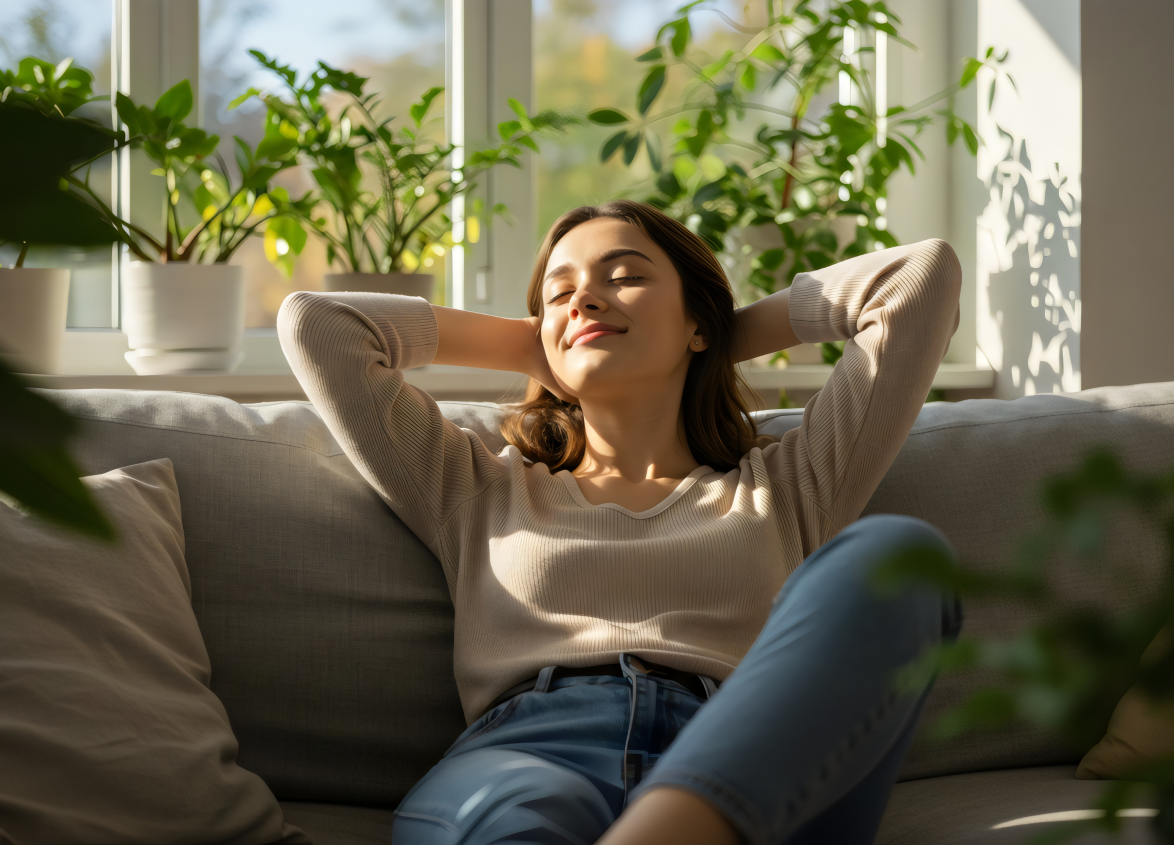
For instance, some wellness homes have windows or glass walls that let natural light pass through to living spaces, and have green walls. These aspects have been found to help in the reduction of stress, enhancement of creativity and improvement of the psychological well-being of people. A well-executed biophilic design helps individuals to be calm when inside their own houses.
Air and Water Quality Systems
Air and water quality play a vital role in our health, and therefore wellness homes emphasise these aspects. As pollution levels rise, there is an increasing need to improve indoor air quality, and wellness homes often come with high-end air-purifying units. They remove dust, pollen and other contaminants from the air and provide people with clean air around the clock.
Water quality is another critical element in wellness homes, and therefore such properties come with filters and other devices that guarantee clean drinking water. This way, people are protected against developing breathing difficulties, waterborne diseases and allergies.
Smart Wellness Technology
Incorporating smart technologies is one of the key components of wellness homes. Smart technology enables homeowners to control many different parameters in order to guarantee that the house is a healthy environment for the owners. An example of such a parameter is light, which can be regulated depending on the time of day in order to normalize circadian rhythms.
Another parameter that can be regulated by smart technology is temperature, depending on the weather and the time of the day. Other types of smart technologies for wellness include air quality monitoring, which sends alerts about the presence of pollutants and water purification systems that send alerts when filters need to be changed.
Dedicated Fitness and Mindfulness Zones
One of the core elements of wellness-focused homes is the creation of spaces that encourage fitness, relaxation and mindfulness. A dedicated home gym, yoga room, or meditation zone allows residents to engage in physical exercise and mental relaxation without having to leave the comfort of their homes. These spaces are designed to foster habits that contribute to a balanced and healthy lifestyle.
Fitness zones in wellness homes are often equipped with state-of-the-art exercise equipment, while mindfulness areas may include features such as calming lighting, soothing music and design elements that promote tranquillity, such as water features or soft, natural textures. By promoting physical and mental wellness in this way, these homes provide a sanctuary that helps residents maintain a balanced lifestyle.
Well-being in residential communities can also extend beyond recreational spaces to everyday comfort and care. Parkside Senior Living at Brigade Orchards in Devanahalli is a 1- and 2-bedroom senior-living development where the facilities have been planned around comfort and care. Brigade highlights support for everyday requirements, including chores and bills, along with security and medical care. Such an approach demonstrates how wellness homes can address not only recreation and relaxation but also the practical needs that contribute to comfortable senior living.
Sustainable and Non-Toxic Materials
The sustainability concept has also been utilized in the design of wellness homes. Not only have sustainable building materials such as recycled wood, non-toxic paint, and energy-efficient insulation been incorporated in wellness homes, but these buildings are designed in a way that minimizes their effect on the environment through the installation of solar panels, water conservation devices, and energy-efficient equipment.
Wellness homes are built using non-toxic materials to ensure that there are no poisonous materials within the wellness home because poisonous materials could affect human health. This means that the paints used in the construction of wellness homes are free of volatile organic compounds (VOCs).
Benefits of Investing in Wellness Homes
Investing in wellness real estate presents numerous benefits. For one, these homes cater to a growing market of health-conscious individuals who are prioritising their well-being. As more people seek ways to live healthier lives, the demand for wellness-focused homes is expected to rise.
Additionally, wellness homes are typically more energy-efficient and sustainable, which means lower utility bills and a reduced carbon footprint. They also tend to appreciate in value faster than traditional homes due to their modern amenities and growing demand. For investors, this makes wellness homes an attractive option for long-term returns.
Azalea at Brigade Meadows: Luxury Senior-Living Residences in Bangalore
Wellness at home also means being able to live independently as needs change with age. Brigade’s senior living community, Azalea at Brigade Meadows, offers 40 senior-friendly 1 and 2 BHK homes within the Brigade Meadows township on Kanakapura Road. Its small scale offers a quieter setting, while a library and arts room and a multipurpose hall provide places to meet and spend time with neighbours.
The project page also lists space provision for a gym and physiotherapy. Buyers considering a home for aging in place should check the apartment’s accessibility and confirm which support services will be available.
Design and Planning Considerations
It is crucial for a wellness house to be designed with great care so that all its aspects will promote the wellness of the occupants. Light positioning, airflow, as well as the presence of nature, have to be accounted for from the very beginning. Architects and construction specialists should incorporate large windows that let natural light in, as well as proper ventilation and green spaces.
It is also crucial that sustainable building practice be included in the planning process of wellness houses. It involves using environmentally friendly and non-toxic materials, as well as renewable energy sources, including solar panels and geothermal heating.
Senior-friendly projects further illustrate the importance of designing around residents’ changing lifestyle needs. Azalea at Brigade Meadows has been conceived as a low-density collection of just 40 senior-friendly homes, with Brigade emphasising independence, privacy, peaceful surroundings, proximity to nature and access to everyday conveniences. Parkside Senior Living at Brigade Orchards similarly places comfort, care, security and medical support within the residential experience. Together, these developments demonstrate how thoughtful planning can make wellness homes more responsive to the needs of senior residents.
Traditional Homes vs. Wellness-Focused Homes
| Feature | Traditional Homes | Wellness-Focused Homes |
|---|---|---|
| Air Quality | Limited air filtration | Advanced air purification systems |
| Lighting | Standard artificial lighting | Smart lighting for circadian rhythm |
| Fitness Facilities | Often none | Dedicated home gyms, yoga rooms |
| Materials | Conventional materials | Non-toxic, sustainable materials |
| Green Space | Minimal | Biophilic design and green elements |
Challenges and Future Outlook
Despite having various advantages, building a wellness-oriented house is associated with several problems. The first one is that the cost of constructing a wellness-oriented house is rather high due to the use of sustainable materials and advanced technologies. The other problem is that including particular features to the project of the house may create several challenges.
However, since the demand for wellness-oriented houses increases, and more developers want to construct them, their cost is expected to fall, meaning that such houses will become more affordable. Taking into account the increasing urbanisation and people's realisation of the significance of living in healthy houses, the future of such houses looks promising indeed.
Conclusion
Wellness-focused homes prioritise health, comfort and well-being through thoughtful residential design. Brigade Group projects such as Azalea at Brigade Meadows and Parkside Senior Living at Brigade Orchards show how senior-focused communities can combine independence, comfort and essential support. These examples highlight how wellness homes can enhance quality of life across different stages of living.
FAQs
1. What are wellness-focused homes?
Wellness-focused homes are residences designed to support physical, mental and emotional well-being through healthier materials, technology and thoughtful design.
2. What features are common in wellness homes?
Common features include air purification, water filtration, natural light, green spaces, smart technology, fitness zones and non-toxic materials.
3. How do wellness homes support healthier living?
They improve indoor comfort, encourage physical activity, reduce exposure to pollutants and create spaces that support relaxation and mindfulness.
4. Are wellness homes more sustainable than traditional homes?
They often use energy-efficient systems, eco-friendly materials, water-saving features and other design elements that support sustainable living.
5. What should buyers consider when choosing a wellness home?
Buyers should assess air and water quality, ventilation, natural light, materials, fitness amenities, green spaces and overall community planning.
6. Can wellness-focused design support healthy aging and independent senior living?
Yes. Accessible layouts, good lighting, and spaces for activity and social connection can support daily independence. Check each home’s accessibility features and available services.
7. Is wellness real estate only for the luxury segment, or are mid-range options available too?
Mid-range options are available. Features such as ventilation, natural light, and usable outdoor space can be part of a wellness-focused home at different price points.
8. How big is the wellness real estate market in India right now?
The latest available Global Wellness Institute estimate puts India’s wellness real estate market at US$20.5 billion in 2025.
9. Do wellness homes need more maintenance because of the added systems?
They can. Air filters, water treatment, and smart controls may need regular servicing. Ask what upkeep is required, who handles it, and what it costs.
10. What's the difference between a wellness home and a regular home with a gym and some greenery?
A wellness home considers everyday living throughout its design, including air quality, light, comfort, and accessibility. A gym and greenery are useful features, but only part of that picture.
MUST READ






Looking for something specific?
We'd be delighted to help you.
