Residential
Bengaluru Metro Phase 3: Which Localities Will Benefit Most?
February 17, 2026
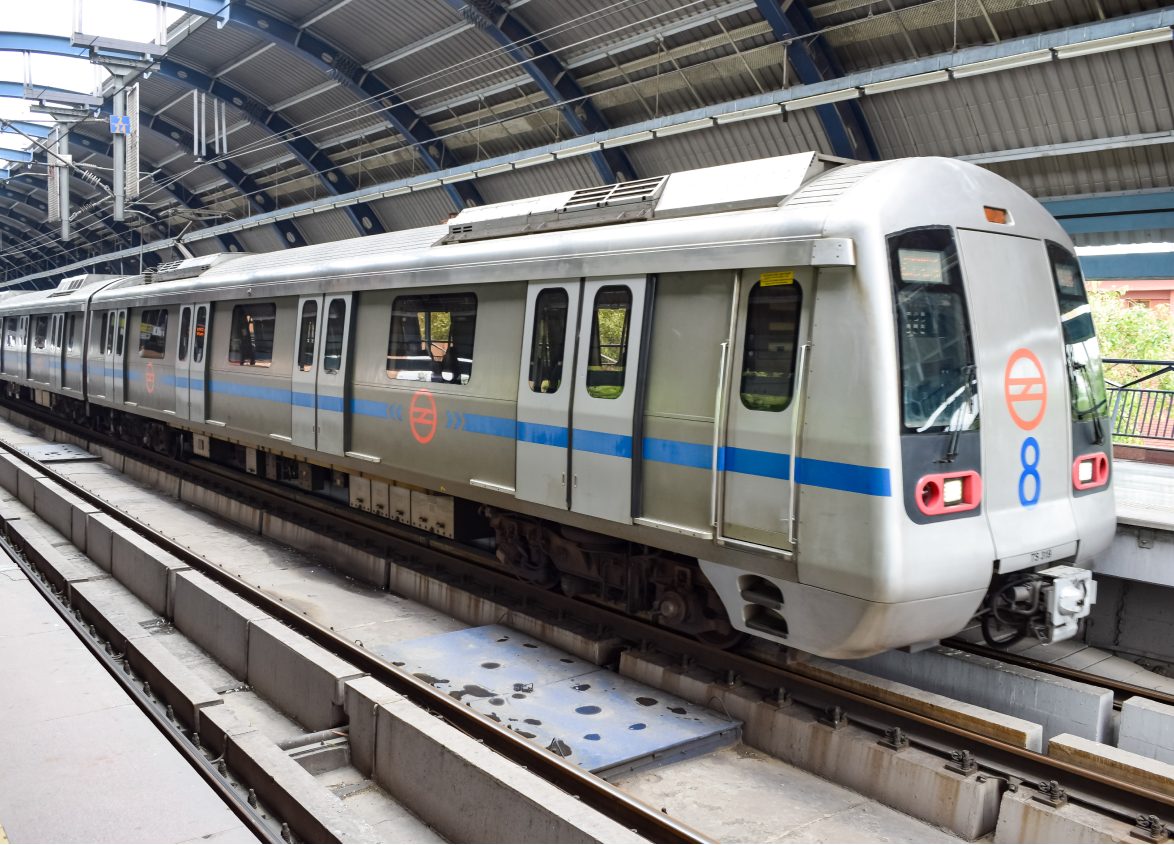
Bengaluru Metro Phase 3 proposes links to growing areas such as Hebbal, JP Nagar, Sarjapur, and Hosahalli. Better connectivity could change commute choices and influence housing and commercial demand. Buyers should assess proposed routes, station access, and construction timelines before making property decisions based on a future metro connection.
Introduction – Why Metro Phase 3 Is Crucial for Bengaluru
Bengaluru has outgrown its previous boundaries. What was once a compact city evolved into a sprawling metropolis, with IT hubs and residential areas growing in every direction. As the city continues to expand, its liveability is increasingly dependent on robust transport infrastructure. This is precisely why Bengaluru Metro Phase 3 is now a crucial development
Moving beyond the established tech corridors of the city's heart, Phase 3 targets the "next" Bengaluru. It aims to connect emerging suburbs and peripheral belts that, until now, have relied entirely on road transport.
These outer areas are where the future of Bengaluru is unfolding. With traffic congestion and long commutes already major concerns, a metro connection is poised to dramatically reshape the character of these neighbourhoods.
This guide will explore the localities most likely to benefit from Metro Phase 3, how it will influence buyer preferences, and the importance of these new lines for both daily commuting and long-term investment.
What Is Bengaluru Metro Phase 3?
Overview of Namma Metro Phase 3
Phase 3 of Namma Metro refers to the further extension of the Bangalore metro rail system. Unlike Phase 2, which was all about improving the existing lines, Phase 3 will follow a different approach. The first and foremost goal of this phase is to expand the system by providing connectivity to the newer areas of the city.
Objectives include:
- Expanding metro reach beyond traditional city limits
- Connecting residential suburbs to employment hubs
- Reducing dependence on private vehicles
- Supporting future city expansion in a structured manner
The broader plan focuses on addressing heavy traffic on arterial roads. It aims to make commuting from the outskirts to the city centre significantly smoother, especially for daily office-goers.
How Phase 3 Is Different From Earlier Phases
Earlier metro phases focused on:
- Central business districts
- Established IT corridors
- High-density inner-city areas
Bengaluru Metro Phase 3 differs in its emphasis on:
- Peripheral connectivity
- Future residential and commercial growth corridors
- Currently underdeveloped zones with high potential
- Long-term strategic urban planning over immediate congestion relief
This makes Phase 3 particularly significant from both a real estate and city planning perspective.
Why Metro Connectivity Changes Real Estate Demand
Reduced Commute Time & Travel Uncertainty
Metro connectivity is bringing a change to the city’s residential pattern in terms of improved accessibility. With the connection of the peripheral areas with the main city via the metro, the project offers efficient transportation services by overcoming the constraints of road transport systems, offering speed and comfort. Working professionals get relief from traffic stress, and students get quicker access to their educational institutions.
Brigade Lumina offers a current example of how residential development can leverage existing metro connectivity. Located on Tumkur Main Road in Northwest Bengaluru, the project is positioned about a five-minute walk from Manjunathanagara Metro Station on the operational Green Line.
Rise in Liveability & Rental Demand
Localities connected by metro lines tend to attract:
- Working professionals
- Young families
- Tenants seeking convenient commute options
This is expected to strengthen rental demand, facilitating tenant acquisition over time. Gradually, supporting infrastructure such as malls, cafés, and offices is likely to develop around metro stations.
Brigade Lumina also illustrates the relationship between metro access and everyday liveability. Its location near the Green Line places residents within easy reach of office hubs, schools, healthcare facilities and retail destinations, showing how transit access can complement the wider residential ecosystem.
Long-Term Impact on Property Values
The metro connectivity impacts property prices in the neighbourhood. Property values generally rise gradually and sustainably, rather than through speculation. Areas served by operational metro lines generally witness steady appreciation over time. This makes such properties relatively secure options for long-term homeowners and investors seeking stable returns.
Key Corridors Proposed Under Bengaluru Metro Phase 3
Peripheral & Outer Growth Corridors
Phase 3 is designed to connect:
- Outer residential suburbs
- Industrial zones
- Emerging commercial hubs
Currently constrained by heavy reliance on road-based transport, these neighbourhoods are positioned for significant growth once metro access is introduced. Improved connectivity acts as a catalyst, enhancing their attractiveness for both residential and commercial investment.
Integration With Existing Metro Lines
A major strength of Namma Metro Phase 3 is its planned integration with existing corridors. Seamless interchanges mean:
- Fewer transfers
- Shorter travel times
- Improved network efficiency
This ensures that Phase 3 strengthens the overall metro ecosystem rather than operating in isolation.
Brigade Lumina on Tumkur Road offers a current residential example in a corridor with metro access. The 3.97-acre project has 416 two and three BHK homes, with prices listed from ₹1.45 crore, excluding applicable charges and taxes. Its project page mentions access to the metro but does not name a station. Buyers should check the route and travel time from the property to the station they plan to use.
Localities Likely to Benefit Most From Metro Phase 3
Hebbal & Kempapura
Hebbal is already a heavy traffic junction and acts as an important gateway for the city from the north side. An elevated train will increase connectivity to business zones and residential areas. In the long run, it will decrease the traffic congestion on the ORR and its arterial roads.
Areas like Kempapura and others may have high demand in the residential sector.
JP Nagar
JP Nagar is widely considered a major beneficiary of Bengaluru Metro Phase 3. JP Nagar has both established layouts and new residential developments. Metro connectivity is expected to:
- Improve last-mile connectivity
- Boost rental demand
- Encourage mixed-use developments
It further strengthens JP Nagar’s position as a self-sufficient residential micro-market.
Sarjapur
Sarjapur has grown rapidly due to its proximity to major IT hubs, yet traffic congestion remains a significant concern. Metro connectivity can:
- Improve overall liveability
- Reduce reliance on Outer Ring Road
- Increase demand for apartments and gated communities
The locality is expected to benefit substantially from the proposed metro expansion.
Hosahalli & Kadabagere
These western suburbs are still emerging residential markets. Metro connectivity can act as a catalyst for:
- Luxury housing projects
- New residential layouts
- Gradual commercial growth
For long-term buyers, these areas represent early-stage investment opportunities.
Impact on Residential Real Estate
Increased Demand for Apartments Near Metro Stations
Properties that are walking distance or even a few minutes’ drive from the station get greater preference.
Brigade Lumina is a perfect example of this strategy in action. This project sits on Tumkur Main Road and is strategically placed within walking distance of the Manjunathanagara Metro Station on the existing Green Line.
Buyers prefer such residential properties because they:
- Save daily commute time
- Offer stronger resale potential
- Attract dependable tenants
This pattern is visible across Bangalore Metro Phase 3 real estate markets.
Rise of Transit-Oriented Developments
Developers are increasingly focusing on transit-oriented developments that integrate:
- Residential units
- Retail spaces
- Offices
These projects often function as mini townships centred around metro stations, offering integrated living solutions.
Improved Rental Absorption in Connected Areas
Neighbourhoods with metro access typically experience faster rental absorption. Tenants are often willing to pay a premium for convenience, improving rental yields for property owners.
Impact on Commercial & Mixed-Use Developments
Office & Business District Accessibility
Metro connectivity enhances corporate accessibility. Offices near metro stations are more appealing due to:
- Reduced employee commute stress
- Access to a wider talent pool
This supports the strengthening of secondary business districts.
Retail & High-Street Growth Around Stations
Metro stations naturally generate footfall. Retail outlets, cafés, and neighbourhood stores benefit from consistent daily traffic, creating vibrant micro-commercial hubs across the city.
Strengthening of Secondary Business Hubs
Rather than concentrating growth in a few IT corridors, Bengaluru Metro Phase 3 supports decentralised commercial development across multiple zones.
Which Buyers Benefit the Most From Metro Phase 3?
Daily Office Commuters
Metro connectivity provides predictable and stress-free travel, making peripheral living more practical.
First-Time Homebuyers in Growth Corridors
Emerging areas with metro access offer relative affordability today and appreciation potential over time.
Long-Term Property Investors
Metro-driven growth is typically stable and demand-driven, making it suitable for long-term holding strategies.
Rental-Focused Buyers
High tenant demand near metro stations supports stronger occupancy levels and consistent rental income.
Bengaluru Metro Phase 3 vs Phase 2 – What Changes?
The expansion of the metro reflects how Bengaluru itself is evolving. While both phases enhance transit infrastructure, their objectives differ significantly.
Inner City vs Peripheral Focus
Phase 2 focused on consolidating connectivity within established city centres and high-density IT corridors, addressing congestion in already developed areas.
In contrast, Phase 3 represents strategic outward expansion. It extends high-capacity transit to peripheral corridors and emerging suburbs, enabling structured residential and commercial growth in previously underserved zones.
Mature Markets vs Emerging Localities
Phase 2 mostly operated in fully developed property markets, where the prices were already stabilized. Phase 3, on the other hand, focuses on developing micro-markets which are relatively less expensive at present but offer good potential for appreciation in the future.
Lifestyle Impact Beyond Connectivity
One of Phase 3’s biggest effects may be on how people choose where to live. Beyond shortening travel times, it could shape how neighbourhoods develop as the city expands. It determines the way people decide to live as well as the way their neighbourhoods are developed as the city grows beyond its existing borders.
Bangalore Metro Phase 3 - What It Means for Bengaluru
Redistribution of Housing Demand
One major shift will be in residential preference patterns. Metro access makes peripheral neighbourhoods viable options for working professionals. This reduces pressure on central micro-markets and promotes balanced urban expansion.
Easing Pressure on IT Corridors
Bengaluru’s primary IT corridors have experienced sustained congestion. Improved connectivity across multiple zones enables businesses to expand into newer districts, reducing concentration in overburdened areas and easing commute stress.
Structured and Sustainable Growth
Rather than unplanned urban sprawl, metro-led expansion promotes organised development. Infrastructure precedes large-scale residential and commercial projects, encouraging more cohesive neighbourhood planning.
Conclusion
Namma Metro Phase 3 is set to significantly reshape Bengaluru’s urban growth trajectory. Connecting emerging suburbs, it enhances liveability and reduces dependence on road-based commuting.
Localities surrounding upcoming metro lines in Bangalore, or those receiving early metro access, historically experience stronger long-term demand and stable rental performance. For prospective buyers who are looking to buy Apartments in Bangalore, understanding upcoming metro corridors is as important as evaluating the property itself.
FAQs
1. What is Bengaluru Metro Phase 3?
Namma Metro Phase 3 extends connectivity to peripheral suburbs like JP Nagar-Hebbal, easing outer corridor congestion.
2. Which areas will benefit most from Metro Phase 3?
Hebbal-Kempapura, JP Nagar, Sarjapur, and Hosahalli-Kadabagere see boosted residential and commercial demand.
3. How does metro connectivity affect property prices?
It drives steady appreciation through rental demand and liveability gains in connected suburbs.
4. Is it good to buy property near upcoming metro lines?
Yes, for strong resale, tenants, and long-term value within 1-2 km of stations.
5. Which Bengaluru suburbs will grow due to Metro Phase 3?
Emerging spots like Sarjapur, JP Nagar, and western suburbs gain from transit-led expansion.
6. Will Metro Phase 3 reduce traffic congestion?
Yes, by diverting flows from ORR and arterials like Hebbal to elevated tracks.
7. How far from a metro station is ideal for buying a home?
1-2 km or walking distance maximises convenience and appreciation potential.
MUST READ




Looking for something specific?
We'd be delighted to help you.
