Commercial
Hybrid 3.0: Designing Workspaces That Attract Employees Back in 2026
December 19, 2025
Hybrid 1.0 launched as a lockdown initiative, the aim being to get employees to work remotely and maintain the systems. Then came Hybrid 2.0 after the lockdown; flexible work policies were implemented by companies, video conferencing was made a priority, and collaboration was tried through digital tools. It worked to some degree, but also resulted in some blurred boundaries like late-night calls and the expectation of being available all the time, along with a gradual alienation from the company culture where teams experienced difficulties due to the lack of spontaneous interactions and the inability to create a sense of belonging.
As we step into 2026, we’re walking into the era of Hybrid 3.0. This new and updated hybrid work model isn’t just limited to technology or policy, but rather about connection, culture and a sense of belonging. As offices are no longer mandatory and companies are hoping to nudge people back in, workspace design has become the differentiating factor.
Why Hybrid 3.0 Matters in 2026?
Employees today expect workplace flexibility. It's not a perk. Rather, it is an expectation that people have of their employers. At the moment, however, a number of the leading MNCs and companies in India are withdrawing their remote-first policies and instead opting for return-to-office. This situation presents a paradox, since individuals continue to search for places that offer them the flexibility they want.
Employees prefer spaces that help them focus, collaborate and reset, making them feel like a part of something. This is where Hybrid 3.0 comes in, with a workplace experience that delivers clear value. That value comes through enhanced focus, interpersonal connection and a deeper sense of belonging, which creates employee engagement. Hybrid 3.0 positions workplace design as the critical lever bridging autonomy with organisational culture.
Strategic Principles for Hybrid 3.0 Workspace Design
Cultivate Purposeful Presence
Purpose-led presence is the currency of the modern workplace. Hybrid 3.0 workplaces have become a mainstay for organisations, such as those that have been or are still in the process of developing return-to-office strategies, as they provide experiences that cannot be replicated through remote work.
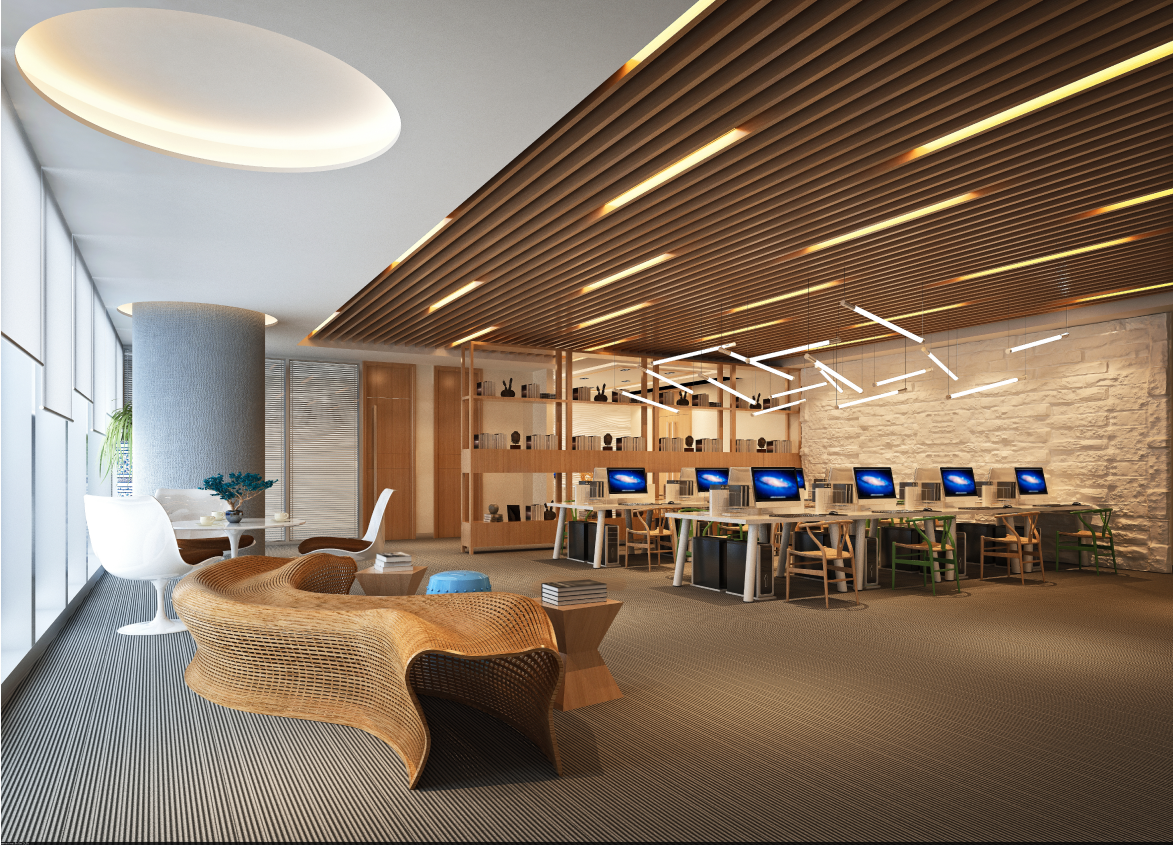
These experiences are housed in spaces designed for collaboration and social interaction. They include conceptualization zones with movable, reconfigurable furniture and shared writing surfaces. There are also dedicated learning spaces. You can use these for mentoring or training new employees. There are also open areas where there are coffee shops and rooftop gardens with comfortable seating. These spaces encourage spontaneous interaction. Some of these versatile spaces also double as informal gathering spots and venues for leadership events, sustaining engagement beyond routine work tasks.
Prioritise Well-Being and Personalisation
In the past, the well-being of employees was viewed as a part of the HR initiatives only. In recent times, it is recognised as a significant factor of performance and Hybrid 3.0 offices are already incorporating the culture of wellness and personalisation into their layouts.
The incorporation of biophilic design features like sunlight, plants indoors, and nature-like materials is recognised to be very important now. More companies are offering wellness areas, including nap pods, meditation rooms, and ergonomically equipped areas, as part of the performance framework and work-life balance facilities.
Personalised workstations, climate zones with responsive technology, and lockers that allow access via technology provide employees with the ability to create their own experience, thus promoting both comfort and authority.
Integrate Advanced, Seamless Technology
Smart office technology in Hybrid 3.0 workspaces is focused more on seamless experiences. These smart systems operate in the background to ensure a positive, intuitive user journey.
Office space utilisation has also seen a shift, with AI-enabled meeting rooms, hybrid collaboration tools and other environmental controls that adjust to occupancy. Mobile platforms facilitate desk booking, parking and access. Occupancy sensors and space analytics inform facilities planning and sustainability.
Champion Ultimate Flexibility
Flexibility now extends beyond policy into the physical fabric of commercial real estate. Hybrid 3.0 environments support activity-based, adaptive workspaces, offering their occupants separate zones for focus, collaboration, ideation and recovery.
Spaces are modular, with movable walls and adaptable furniture. Quiet pods exist alongside collaborative corners and café-style seating. Companies are trialling anchor-day models and compressed workweeks to support both the business rhythm and employee autonomy, thereby promoting productivity and innovation.
Showcase Sustainability and Ethical Practices
Sustainable workspace design is intrinsic to the workplace of 2026. Developers and occupiers are prioritising low-impact materials, energy-efficient systems and passive climate control.
Hybrid 3.0 models also make a point of working towards sustainable goals. They reduce carbon output by minimising daily commutes and optimising utility use. Workplace strategies are increasingly aligned with ESG mandates. They are focused on inclusivity, accessibility, and wellness, which are considered essential metrics. Visible implementation of these principles has been known to build employee trust, investor confidence, and regulatory resilience.
The Human-Centric Design Mindset
Workplaces today must evolve to reflect the communities they host and engage with. Hybrid 3.0 design is anchored in empathy and inclusion. They address varied needs of the hour like neurodiversity, cultural representation, and accessibility.
Beyond just being functional, environments are becoming expressions of the brand. By embodying organisational values and identity, they support onboarding, community-building, and cultural reinforcement.
Human-centric design does not replace digital enablement. Rather, it complements it. It creates environments where individuals feel recognised and empowered.
The Business Impact of Hybrid 3.0
The Hybrid 3.0’s design aims to provide businesses with tangible strategic results. It brings a positive working environment, enhances talent retention, and creates an effective onboarding procedure. Astute companies are seeking offices that are ready for the future. As a matter of fact, these aspects of the Hybrid 3.0 scenario also influence the rate of innovation and the bonding of teams.
India’s fast-moving talent market is demanding digital transformation in offices. Businesses want well-designed environments that also align with ESG disclosures and workplace equity benchmarks. Hybrid 3.0 is therefore a strategic imperative.
Real-World Trends & Examples (2026 Outlook)
Enterprise occupiers are reshaping their campus strategy to align with the new expectations. Many large tech corporations are opting for flexible offices instead of traditional workplaces. The majority are engaged in the process of co-working, wellness and residential touchpoints integration. Tech-enabled lounges and immersive training zones are also marked as areas of focus.
In India, Global Capability Centers (GCCs) are at the forefront of the Hybrid 3.0 evolution, especially in Bengaluru, Hyderabad and Chennai . Workspace innovation has increased in these cities since 2024. They are key hubs for future-ready mixed-use global campuses that have shown adaptability to local requirements.
In all sectors and industries, developers are changing to respond to the demand. Flexible leasing and shared services are really taking off in mixed-use developments. These formats are giving the occupiers the ability to flexibly use the space, manage their expenses efficiently, and provide an equivalent experience throughout.
Hybrid 3.0 is a huge step towards accelerating this shift from traditional floorplates to programmable, people-centric environments.
Conclusion: From Workplaces to Work Experiences
Hybrid 3.0 is indicating a new interpretation of an office. It regards it not just as a built space but as an ecosystem. It realizes that even if work can be done in any place, culture and collaboration still need to be lifted by communality in space.
The difficult decision for the decision-makers is not to force presence but to create it by design. This alternative will define the future of office space in 2026, and the years to come.
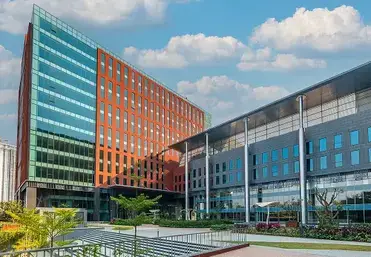
Looking for Grade A Commercial Spaces Built for Long-Term Value?
Lease or invest in future-ready developments across Bengaluru, Chennai, Hyderabad, Kochi & GIFT City.
- Grade A commercial developments
- Prime business & IT hub locations
- Lease & investment opportunities
MUST READ



Looking for something specific?
We'd be delighted to help you.
