Residential
Gated Community vs Standalone Apartment: What’s Better for Families?
February 10, 2026
Buying the right home is one of the most important decisions that you make for your family’s future. Homebuyers today don’t just have to decide between the location, the number of bedrooms, and the price. They need to consider options between gated communities and standalone buildings as well. Gated communities come with security, common spaces and a sense of community living. Standalone buildings give you a sense of ownership and are comparatively cheaper. What you choose between the two will have an impact on your daily life, as well as the long-term value of your property.
In this blog, we will dive into a detailed comparison between the two to help you make the right choice.
What is a Gated Community Apartment?
Defining a Gated Community
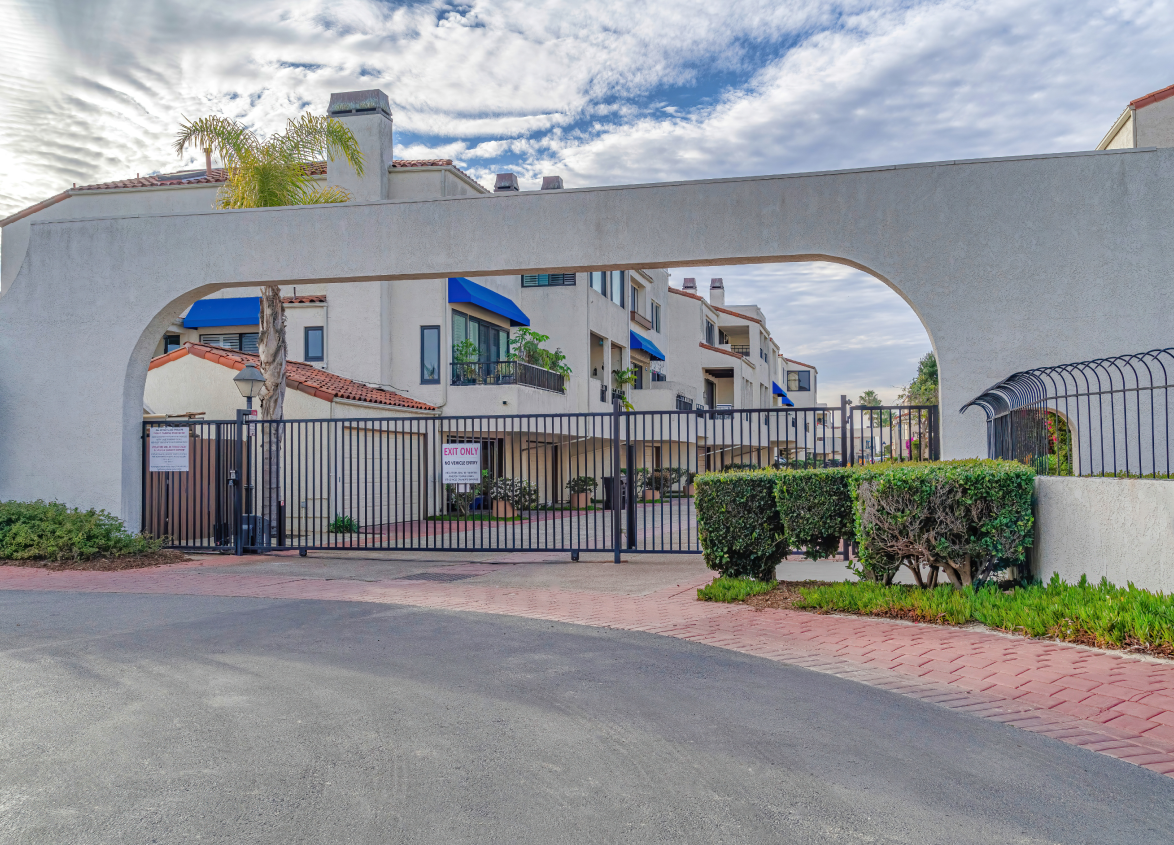
A gated community is a large residential complex with several buildings or houses. They are enclosed by a fence, with security at the gate. They are managed by a committee or an association that looks into the day-to-day management of the society.
Typical Features
Most gated communities have round-the-clock security with guards at the main gate who supervise entries and exits. Most gated communities also come with shared spaces where people can relax and socialise, like swimming pools, gyms, clubhouses, play areas for children, and gardens. They also have managed facilities such as water management and power backup in common areas. There is also a management body that takes care of all the maintenance, cleaning, and repairs required.
What is a Standalone Apartment?
Defining a Standalone Building
A standalone apartment building is an independent structure with fewer units within it. It is autonomous and not a part of any committee, giving owners more flexibility and control over their own homes.
Typical Features
Since there is a lower density of units in such a building, they usually also have very limited amenities. The focus here is usually on the basic needs, such as a security guard and parking.
Gated Community: Pros and Cons for Families
Advantages of Gated Communities
Enhanced security and controlled access: Gated communities have security guards at all entry points along with CCTV cameras to watch over common areas. People cannot enter unless authorised, which makes gated community living safer for families with children.
Safe play areas for children: Children have designated areas where they can play without having to worry about traffic or disturbing anyone.
On-site amenities reduce travel needs: Premium gated communities also have ATMs, pharmacies, and grocery stores within premises, which means you don’t need to go outside for your essentials.
Strong community bonding: In gated communities, neighbours often celebrate festivals and special events together. Usually, these gatherings are organised by the committee and create a sense of belongingness and support in community members.
Challenges of Gated Communities
Higher maintenance charges: Because a gated community provides so many different amenities to its residents, the maintenance charges are also usually much higher in comparison to standalone apartments.
Rules and association guidelines: Since the community is maintained by a committee, the residents are also required to follow the rules and regulations established by them.
Larger complexes may feel crowded to some: Large gated communities have multiple buildings with multiple flats, which might lead to overcrowding when it comes to sharing common amenities.
Standalone Apartments: Pros and Cons for Families
Advantages of Standalone Apartments
Lower maintenance costs: Because of the limited number of units as well as the limited amenities, the benefits of a standalone apartment are that the maintenance costs are significantly lower in comparison.
Fewer rules and more flexibility: There is no governing committee here that makes the rules. Flat owners, therefore, have more flexibility and control over their own homes and can make decisions autonomously.
Often located in established neighbourhoods: For people who want to live in prime neighbourhoods but don’t want to pay premium prices for a home can benefit here, since similar apartments in a standalone building are considerably cheaper when compared to those in a gated community.
Challenges of Standalone Apartments
Limited or no amenities: Most standalone apartment buildings only offer minimal amenities. Their focus is on the basic requirements like water supply management, garbage disposal and parking spaces. They usually don’t offer the additional amenities such as gyms or clubhouse or dedicated recreational centers, like the gated properties offer.
Less secure play options for children: The lack of designated children’s play areas in these buildings means that children usually have to play in the parking area, the road outside, or in a nearby public park. These spaces are less secure, which means children need to be constantly supervised by an adult at all times.
Greater dependence on external facilities: Just as children seek public places to play, families in standalone buildings also have to seek out external spaces for their needs as well. From something as simple as visitor parking to having access to common spaces like gardens and community halls, families have to go outside.
Investment and Resale Perspective
Rental Demand
Gated communities are highly sought after for their enhanced security, family-friendly environment and enough recreational spaces. The tenants with children are more likely to stay long-term since these communities offer a safe and comfortable living space. This demand increases rental prices, resulting in better rental yields for landlords. This makes gated communities a less risky investment.
On the other hand, standalone buildings are preferred more by professionals who are looking for a short-term rental solution. These properties tend to yield lower rents compared to their gated counterparts.
Resale Liquidity
Gated communities are largely preferred due to their wide range of amenities, which makes them particularly attractive to buyers who prioritise convenience and a higher quality of life. However, their resale value can be impacted if they are located in a less-than-desirable location or if the amenities are poorly maintained.
Standalone properties, on the other hand, often derive their resale value from their location. Properties that are in high-demand neighbourhoods, such as close to commercial hubs and transport links, command a premium, even without the added amenities of a gated community.
Long-Term Value Retention
Gated communities tend to retain their value better in the long run, especially if they have well-maintained amenities. The sense of security, community, and convenience they offer makes them a desirable choice for families in the long run.
Standalone buildings are more susceptible to devaluation if they are not properly maintained. Without the same security and amenities as gated communities, they don’t attract the same level of interest from families. However, if they are located in prime areas, then they do have potential for high long-term liveability.
Also Read Top 10 Amenities Homebuyers Look for in Apartments
Gated Community vs Standalone Apartment: What’s Better in 2026?
Amongst the younger generations, there is a growing preference for investing in homes that offer a secure, amenities-led living environment. Since they value comfort and convenience over other factors, having all the necessities within walking distance, in the same community, is a major pro of choosing gated community living over a standalone apartment.
Gated communities also promise an eventual increase in value in the future. They offer gardens, clean and well-maintained roads, parking spaces, common spaces, and much more. These offerings directly result in a higher rental demand and also enhance resale value.
Standalone buildings can be a preferred choice if they are in a prime area with all the amenities that you seek within an accessible walking distance.
Conclusion
The best home is the one that supports your family’s needs today and in the long run. The decision between a gated community and a standalone apartment solely depends on your vision for the future. For those who prioritise safety, play areas for their children, amenities in the same location, and common spaces to relax, gated communities are a better choice. Standalone buildings are better suited to families who want autonomy, lower costs, and want to stay in central, prime locations.
FAQs
1. Is a gated community better for families?
Yes, a gated community may be better for a family's safety since it has more security, which enhances overall safety for the family.
2. Are standalone apartments safe for children?
While standalone apartments are generally considered safe for children, they don’t come with adequate security or designated play areas, which can raise concerns about the safety of children.
3. Do gated communities have higher maintenance costs?
Yes, gated communities have a higher maintenance cost because they provide more amenities to residents when compared to standalone apartments.
4. Do standalone apartments have better resale value?
Standalone apartments have a good resale value if they are in a good locality with all the important amenities in walkable distance. In general, gated communities have a better resale value than standalone apartments.
5. What should families prioritise when buying an apartment?
When looking for an apartment, families should consider what kind of amenities are important to them before finalising whether they want to live in a gated community or a standalone building.
MUST READ





Looking for something specific?
We'd be delighted to help you.
