Residential
Hyderabad Metro Phase 2: Impact on Property Demand in West Hyderabad
March 17, 2026
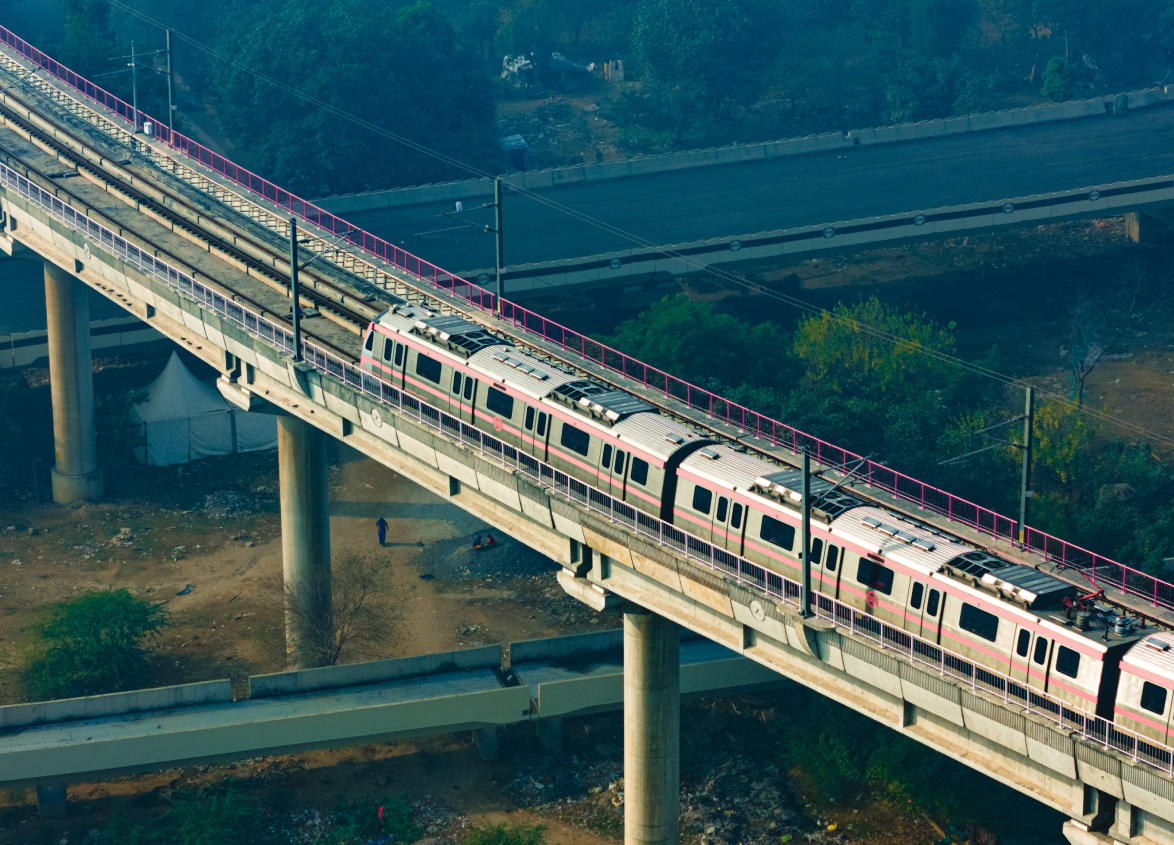
Hyderabad Metro Phase 2 is expected to boost property demand in West Hyderabad by improving connectivity between IT hubs, residential areas, and major transport corridors. Localities such as Kokapet, Miyapur, Tellapur, and Patancheru may see higher housing demand, stronger rental activity, and gradual property price appreciation due to improved commuting and infrastructure development.
Introduction - Metro Phase 2 and Hyderabad’s Evolving Real Estate
The expansion of the metro network under Hyderabad Metro Rail Limited marks the next phase of the city’s transformation. Phase 2 is planned to extend connectivity beyond the 69-kilometre operational grid established under Phase 1. It will integrate new growth corridors into the city’s transport backbone.
While the first phase connected the established residential and commercial zones, Phase 2 will focus on emerging belts and outer suburban clusters. The objective is to reduce the dependence on private vehicles and improve public transport. West Hyderabad stands at the centre of this transition. With established IT districts and expanding social infrastructure, this belt is one of the most closely watched residential markets in the city.
Overview of Hyderabad Metro Phase 2
Key Corridors Relevant to West Hyderabad
Phase 2 proposes the extension of the Blue Line metro from Raidurg towards Kokapet and Neopolis. Raidurg already anchors the IT corridor, serving HITEC City and Gachibowli. The proposed Miyapur - Patancheru extension expands the Red Line metro further west. Patancheru has been an industrial area, and improved connectivity could gradually support residential development here.
A separate but strategically aligned airport metro proposal aims to link Raidurg with Rajiv Gandhi International Airport in Shamshabad. If executed as planned, this corridor would strengthen the residential investment appeal of surrounding localities. Phase 2, spanning over 70 kilometres, is currently in its initial stage.
Project Timeline and Status
Phase 2 has received in-principle approvals. Detailed project reports are under review, and phased implementation has been proposed. Execution remains subject to funding structures, land acquisition progress and regulatory clearances.
Metro connectivity and real estate demand do not necessarily wait for full completion. The announcement, confirmation of corridors and early groundwork influence the buyers’ behaviour. It is the infrastructure signalling that shapes sentiment, well before operations even begin.
How Better Connectivity Drives Property Demand
Reduced Commute Times
Road congestion in Hyderabad’s high-growth corridors remains a challenge. Metro connectivity promises predictable travel windows, since it operates independently of the peak-hour traffic. For professionals employed across West Hyderabad’s IT clusters, the advantage of reliable commuting directly influences their housing decisions. The time saved translates into lifestyle benefits. Over time, such a preference strengthens demand in neighbourhoods with transit links.
Proximity Near Metro Stations
Across Indian metro cities, properties located within one to two kilometres of operational stations have recorded measurable price premiums. Most metropolitan cities have seen a 10% to 30% rise in general property prices after the announcement of metro projects.
Hyderabad’s Phase 1 experience reflected similar patterns in areas such as Miyapur and Raidurg. As the prices of properties near the Hyderabad Metro Phase 2 corridor are expected to grow, the enhanced connectivity will improve resale liquidity and rental appeal, both of which contribute to value retention.
Spillover Demand from Central IT Hubs
Established areas, such as HITEC City and Gachibowli, have witnessed sustained capital growth. Supply constraints and rising entry prices encourage buyers to invest in adjacent micromarkets. Metro extensions reduce the perceived distance between employment centres and emerging residential neighbourhoods. They support decentralised residential growth while preserving access to workplaces.
West Hyderabad Localities Poised to Benefit
Kokapet
Located near the Financial District and the Outer Ring Road, Kokapet is a premium residential corridor. Institutional land auctions and infrastructure investments have elevated its profile. The proposed metro integration will strengthen its long-term positioning within the city’s high-value housing segment.
Patancheru and Surrounding Industrial Areas
Patancheru’s industrial legacy is gradually intersecting with demand for organised housing. Improved public transport accessibility may encourage people employed in the area to consider investing in homes here, supporting the local housing market.
Miyapur and Nearby Neighbourhoods
Miyapur is the current terminus for the Red Line metro. Already benefitting from established metro connectivity, the proposed extensions will reinforce its status as a transit node. Rental demand here remains stable because of its direct access to IT corridors.
Tellapur and Nallagandla
The Tellapur and Nallagandla neighbourhoods fall within the broader Serilingampally growth belt. The current residential profile is strong due to the presence of gated communities and larger apartments in Hyderabad with proximity to IT campuses. Improved access to the metro will increase convenience for commuters while maintaining the area’s lifestyle appeal.
Lingampally and Bandlaguda
Lingampally benefits from its proximity to a railway station and major educational institutions. Bandlaguda Jagir, positioned near the ORR, offers relatively affordable housing when compared to premium IT hubs. Upgrades in public transport connectivity may gradually narrow the price gaps between core and peripheral districts.
Expected Real Estate Impact in West Hyderabad
Recent data from JLL indicates that in Q4 2025, sales of residential properties were primarily concentrated in Western Hyderabad. The western suburbs accounted for 79.2% of the total sales volume.
Price Appreciation Trends
Capital values in Hyderabad continued to move upward, though at a more measured pace. Prices rose 2.7% quarter-on-quarter, with annual growth moderating to 7.4% amid higher inventory levels and slightly slower sales activity. Even as overall momentum softened, western suburbs remained central to market performance. The concentration of both sales and launches in this corridor signals sustained buyer interest. This interest is supported by the ongoing infrastructure improvements, which include metro and road connectivity.
Stronger Rental Demand
Housing rents increased by 2.9% quarter-on-quarter. This reflected continued inward migration into the city. Improved infrastructure, including metro expansion and upgrades in arterial roads, has enhanced liveability across pockets of residential neighbourhoods. Tenant preference for gated communities has also intensified competition in the rental market, keeping absorption steady.
Broader Developer and Institutional Interest
While overall launches declined 30.8% year-on-year in 2025, market activity showed a 5.7% quarter-on-quarter uptick in Q4. The western suburbs dominated new projects, accounting for 72% of total launches with over 6,550 units introduced during the quarter. This concentration reflects continued confidence in infrastructure-backed corridors. Demand for larger, amenity-rich homes is expected to attract reputable and large-scale developers.
Integrated townships, such as Brigade Gateway in Hyderabad’s Kokapet, exemplify how premium projects are positioning themselves along emerging lifestyle and transit-oriented corridors. Spread across nearly 10 acres, Brigade Gateway Neopolis includes residential towers along with commercial and hospitality elements. It benefits from proximity to established business hubs, arterial roads and the planned metro connectivity.
Cross-Segment Demand
Approximately 8,300 homes were sold in Q4 2025. Sales activity remained heavily concentrated in the western suburbs, which accounted for a majority of the total transaction volume. The premium segment showed notable resilience. Homes priced above ₹1 crore represented 89% of total sales. Meanwhile, homes priced below ₹1 crore saw weaker demand. Hyderabad’s real estate price growth indicated a sustained appetite for higher-value housing, particularly in well-connected western micromarkets.
Why West Hyderabad is a Strategic Choice for Buyers
Connectivity Meets Livability
The impact of the Hyderabad Metro expansion on properties is expected to be more pronounced in the western part of the city, which also benefits from the Outer Ring Road access. The region is home to established IT corridors and social infrastructure. The presence of reputed educational institutions, healthcare facilities and retail developments has expanded demand for this micromarket. The result is a corridor with both connectivity and liveability.
Value Compared to Established IT Hubs
Relative to the core IT districts, several western micromarkets provide larger unit configurations within competitive budgets. With connectivity strengthening, price differentials may moderate over time. The area’s relatively affordable entry prices, supported by upcoming metro stations in Hyderabad, will aid capital appreciation over the years.
Diversifying Investment Exposure
Investing across infrastructure-backed corridors spreads location risk. Confirmed metro alignments enhance long-term visibility. Market performance remains linked to execution progress, demand depth and broader economic cycles.
Things Buyers Should Consider
Metro Completion Timelines
Demand that is infrastructure-led begins as soon as the corridors are announced. Operational timelines, however, remain a decisive factor. The price movements typically align with tangible milestones, such as the approval of detailed project reports, land acquisition progress, visible construction activity and eventual commissioning.
West Hyderabad’s property demand in the current market cycle has already shown steady annual growth. Buyers should distinguish between speculative momentum and execution-backed appreciation. A clear understanding of the project and expected timelines allows buyers to make more informed decisions.
Last-Mile Connectivity
Proximity to a proposed metro station adds value only when the last-mile connectivity is practical. Walkable pathways, internal road networks, feeder bus services and public transport determine whether the station will genuinely benefit the user. Integration with the Outer Ring Road and internal arterial roads in the western micromarket already supports mobility. Metro expansion will further amplify this advantage. Without seamless last-mile connectivity, the theoretical benefits may not translate into practical advantages.
Project Approvals and Deliverables
Improvements in transport infrastructure might increase the appeal of a location, but they do not replace core due diligence. Regulatory compliance, clear land titles and RERA registration remain essential safeguards. Hyderabad's western suburbs have seen a concentration of new launches, particularly in premium segments - explore Brigade's luxury apartments in Hyderabad across these corridors. In such an environment, evaluating the developer's capability, construction quality and track record is critical.. The strength of the location and the project’s fundamentals must be assessed together.
Read Our Blog on - Top things to consider before buying a property
Brigade Apartments Near Hyderabad Metro Phase 2 Corridors
Brigade Gateway
Brigade Gateway is a luxury Apartments in Kokapet and forms part of the larger Brigade Gateway Neopolis township, positioned within Hyderabad’s premium Financial District corridor. Spread across nearly 10 acres, the development offers well-planned 3, 4, 5 and 6 BHK luxury apartments designed for contemporary urban living. Apartment sizes range from approximately 3,000 sq. ft. to over 9,000 sq. ft., catering to buyers seeking spacious residences near major employment hubs. Prices currently start from around ₹4.6 crore onwards, placing the project within the city’s premium residential segment. With the proposed Hyderabad Metro Phase 2 extension towards Kokapet, the project stands to benefit from improved connectivity to IT districts and other parts of the city.
Conclusion
Hyderabad Metro Phase 2 marks an important chapter in the city’s evolution. As connectivity extends into the western corridor, residential demand is likely to align more closely with transit access. Micromarkets, such as Kokapet, Miyapur, Tellapur and Patancheru, are already drawing attention. This is supported by strong sales concentration and continued developer activity. Over time, improved mobility is expected to reinforce rental demand, sustain the momentum of premium housing and gradually narrow pricing gaps between core and emerging zones.
Execution timelines and broader economic conditions will continue to influence the pace of appreciation. As infrastructure visibility strengthens, West Hyderabad remains positioned as one of the city’s most closely watched residential growth corridors.
FAQs
1. How will Hyderabad Metro Phase 2 affect property prices in West Hyderabad?
Metro expansion is expected to strengthen residential demand in West Hyderabad. This is likely to be supported by gradual price appreciation over the medium to long term.
2. Which western localities will benefit most from Metro Phase 2?
Micromarkets such as Kokapet, Miyapur, Patancheru, Tellapur and Nallagandla will benefit from Hyderabad’s Metro Phase 2 real estate developments.
3. Is metro connectivity boosting rental demand in Hyderabad?
Metro connectivity usually improves rental absorption. It attracts professionals who seek reliable, time-efficient commuting options near employment hubs.
4. What price increase can be expected near new metro stations?
In comparable markets, properties within a one to two-kilometre radius of metro stations have recorded 10% to 30% higher appreciation.
5. How far out from a metro station is optimal for property investment?
Residential properties within one to two kilometres of a metro station generally see stronger liquidity and demand.
6. Should I buy property now or wait until Phase 2 is completed?
Early entry may capture announcement-led appreciation. Post-completion purchase reduces execution risk. The decision depends on the investment horizon and risk appetite.
7. Does Hyderabad Metro Phase 2 connect to the airport?
A dedicated airport metro corridor has been proposed separately, with broader network integration planned in future expansion phases.
8. How does metro access compare with road transit for property demand?
Metro access offers predictable commute times, whereas road transit remains vulnerable to congestion.
9. Are there any new Brigade residential projects in Moti Nagar, Hyderabad?
Yes, Brigade Group has launched new residential developments in Moti Nagar, including Brigade Manor and Brigade Enclave. These projects offer spacious 3 and 4 BHK apartments in a well-connected neighbourhood near Sanath Nagar and Erragadda, with access to major commercial and infrastructure corridors.
MUST READ




Looking for something specific?
We'd be delighted to help you.
